NASA hints at needing 22 rocket launches for a Moon landing
A former astronaut on a NASA safety panel estimates that two dozen Starship flights may be needed to fuel a lunar lander, a figure that concerns agency officials.
By Rebecca Dawson ·
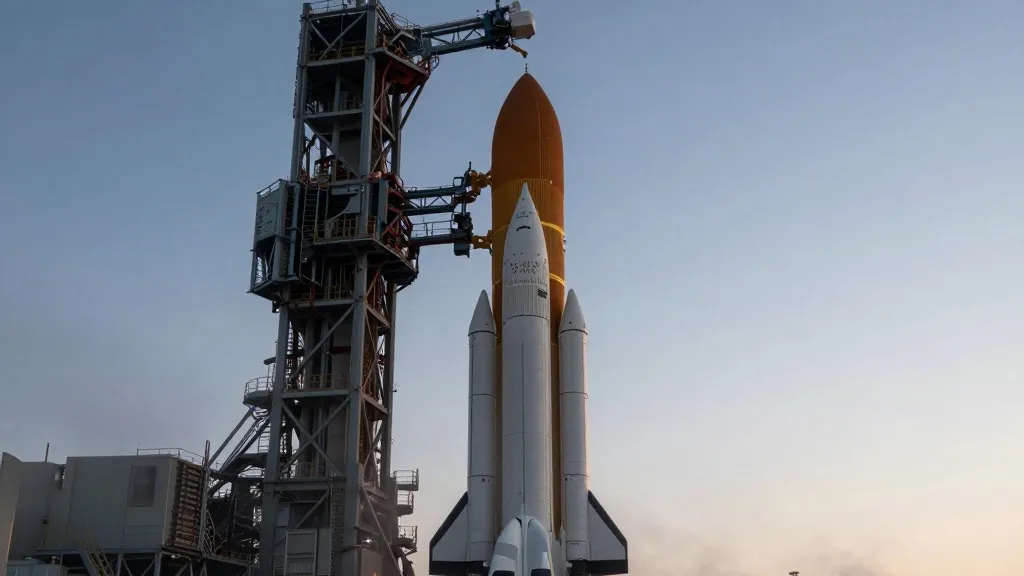
NASA has always been tight-lipped about one specific number. It is the count of rocket launches needed to fill a lunar lander with enough fuel for a trip to the Moon. The agency treats this figure with extreme care. They guard it as if it were a state secret. For years, officials have avoided giving a direct answer. They often said they did not know for sure. This reluctance has made the number a mystery to the public. It is a key metric for the Artemis Program. The goal is to send people back to the lunar surface. The fueling process requires a complex operation in space. A main lander must be filled with liquid oxygen and methane. This happens in low-Earth orbit. The lander then flies to the Moon. It lands, does its work, and returns to orbit. The amount of fuel required dictates how many support flights are necessary.
The estimate has changed over time. In 2023, Lisa Watson-Morgan was the director of NASA’s Human Landing System. She told reporters that the agency had a general idea. However, she was hesitant to share the exact count. She described the number as being in the high single digits to the low double digits. That range suggested about a dozen launches. This is a significant number for any space mission. It implies a heavy reliance on repeatable flights. SpaceX would need to launch a main vehicle, known as a depot. Then, at least eleven other vehicles, called tankers, would be needed. These tankers would carry the propellant to the depot. Other officials have given even higher estimates. Some have suggested the number could reach the high teens. This variation highlights the uncertainty in the planning process.
The hope was that technology would improve. SpaceX has been working to increase the lift capacity of the Starship rocket. A more powerful rocket means fewer flights are needed to move the same amount of fuel. This would streamline the process. It would also reduce the risk associated with multiple launches. NASA officials counted on these improvements. They expected SpaceX to deliver these upgrades soon. This timeline was critical for the Artemis schedule. The agency wants to return humans to the Moon this decade. The fueling plan is a major part of that timeline. If the rocket does not get more efficient, the number of required launches stays high. This creates a bottleneck in the overall mission architecture.
Concerns are now growing within NASA. Some officials worry that the improvements are not coming fast enough. They fear Starship may not be ready in time. This could limit the rocket's role in the Artemis program. The agency wants a meaningful contribution from SpaceX. If the fueling requirements remain high, the logistics become difficult. The risk profile of the mission changes. More launches mean more opportunities for something to go wrong. The safety of the astronauts is the top priority. Any delay or inefficiency in the fueling process threatens the overall goal. NASA is re-evaluating its assumptions. They are looking closely at the data from recent tests and flights. The pressure is on to finalize a workable plan.
A new estimate was shared recently. On Thursday, the NASA Aerospace Safety Advisory Panel held its quarterly meeting. The panel reviews risks for major space programs. Charlie Precourt is a member of this group. He is a former NASA astronaut. He spoke about the risks associated with the Artemis program. He discussed the specific challenges of landing humans on the Moon. His remarks touched on the fueling logistics. He provided a perspective from someone who has flown in space. He understands the operational complexities. His input is valued by the agency. The panel's role is to advise NASA on safety matters. They look at potential failure points. The fueling phase is a critical area of focus.
Precourt’s comments align with the concerns of some NASA staff. The number of launches is not just a logistical detail. It is a safety factor. Each launch carries its own set of risks. The more flights required, the higher the cumulative risk. The agency wants to minimize this exposure. The 2023 estimate of a dozen launches was already high. A new estimate of 22 launches is even higher. This represents a significant increase. It suggests that the efficiency gains have not materialized as quickly as hoped. Or, the initial estimates were too optimistic. The gap between the two numbers is substantial. It changes the scale of the operation. It requires more infrastructure and more coordination.
The timing of this estimate is significant. It comes as NASA prepares for upcoming missions. The Artemis program is a multi-year effort. Every component must be ready in sequence. The Starship lander is a central part of the plan. If the fueling requirements are higher than expected, the schedule may slip. The agency is aware of this possibility. They are monitoring the development of the Starship vehicle closely. SpaceX is also working to address these concerns. The two organizations are in close communication. They are trying to align their expectations. The goal is to ensure a successful landing. The number of launches is a proxy for readiness. A lower number indicates a more efficient and mature system. A higher number suggests ongoing challenges.
What happens next is clear in theory but complex in practice. NASA will review the data from the safety panel. They will compare it with their own internal models. SpaceX will continue to test and improve the Starship rocket. The next few months will be crucial. More flights are planned for the vehicle. These flights will test the fueling capabilities. The results will inform the final plan. If the 22-launch estimate holds, NASA may need to adjust its strategy. This could mean accepting a higher risk profile. Or it could mean looking for alternative ways to reduce the load. The agency is not ruling out any option. They are focused on finding the safest path forward. The public will be watching closely. The Moon landing is a major milestone. The details of how it happens matter. The number of rockets in the sky will be a visible indicator of progress.
The situation is not a crisis, but it is a challenge. NASA is experienced in managing complex projects. They have dealt with uncertainties before. The key is to have a realistic plan. The 22-launch estimate provides a clear benchmark. It allows the agency to plan resources and timelines accordingly. If the number drops, it is a positive sign. If it stays high, they must adapt. The collaboration with SpaceX is vital. Both parties share the same goal. They want to put boots on the Moon. The technical details are working in their favor. The hardware is being built and tested. The team is working hard. The outcome is not yet determined. But the path forward is now clearer. The agency is moving from guesswork to data. This is a step in the right direction. The mission is still on track, but with a higher awareness of the hurdles ahead.
Source: Ars Technica